Unleashing Creativity with Vintage Random Letters: A Quirky Font for Bold Design Statements
In a digital landscape where visual identity is increasingly important, typography plays a crucial role in setting brands, creators, and entrepreneurs apart. Among the many typefaces making waves in the creative community, Vintage Random Letters has emerged as a standout choice for those seeking to inject personality, nostalgia, and a handcrafted aesthetic into their work.
What Is Vintage Random Letters?
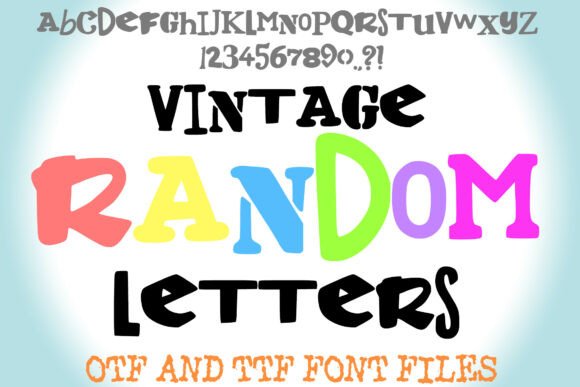
Vintage Random Letters is a distinctive display font that blends a chunky, playful structure with a retro stencil design. Its characters feature varying heights, weights, and decorative serifs, giving the font a naturally mismatched and hand-stamped appearance. This randomness mimics the charm of old-school signage, rubber stamps, and vintage packaging, making it a go-to for designers aiming to evoke a sense of nostalgia or artisanal authenticity.
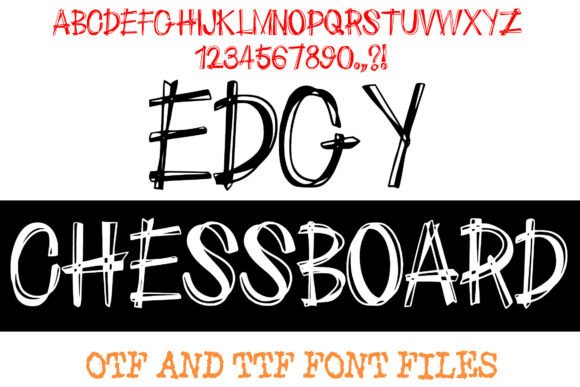
Available in both OTF and TTF formats, the font includes capital letters in black outline and numbers, making it versatile for a variety of design applications. Whether used in print or digital media, Vintage Random Letters adds a unique visual flair that’s hard to replicate with standard typefaces.
Why This Font Resonates in Today’s Creative Landscape
The popularity of Vintage Random Letters is not just about aesthetics—it reflects broader trends in consumer behavior, branding, and creative expression. In a world saturated with sleek, minimalist design, audiences are increasingly drawn to authenticity, imperfection, and tactile elements that feel human-made rather than machine-generated.
This shift is evident across multiple industries. In branding, small businesses and independent creators are leveraging vintage-inspired visuals to differentiate themselves from larger, more polished competitors. In marketing, campaigns are leaning into retro aesthetics to evoke emotional connections and a sense of timelessness. Meanwhile, in lifestyle and fashion, the resurgence of vintage culture has fueled demand for design elements that reflect that same nostalgic appeal.
Applications That Bring Vintage Random Letters to Life
- Party Invitations: The playful, bold nature of the font makes it ideal for themed events, birthdays, and retro-inspired weddings.
- Poster Headlines: Whether for music events, art exhibitions, or local promotions, this font ensures your message stands out.
- Vintage Branding: Startups and boutique brands are using Vintage Random Letters to craft logos and packaging that feel personal and artisanal.
- T-Shirt Sublimation: Its chunky, eye-catching design works beautifully on apparel, especially for brands aiming for a retro or streetwear vibe.
- Cutting Machine Crafts: Compatible with Cricut and Silhouette machines, the font is a favorite among DIY enthusiasts and crafters.
These practical uses highlight how Vintage Random Letters is more than just a font—it’s a tool for storytelling and emotional engagement. By incorporating it into their projects, designers and creators can tap into a growing audience that values authenticity and craftsmanship over sterile perfection.
Changing Design Preferences and the Rise of Handcrafted Typography
As creative workflows evolve, so do the tools and assets designers rely on. There’s a growing demand for typefaces that offer flexibility without sacrificing character. This is where Vintage Random Letters shines—it’s not just visually engaging but also adaptable across platforms and mediums.
One of the key shifts in design expectations is the desire for customization and personalization. Consumers today want to feel connected to the brands and products they engage with, and typography plays a critical role in shaping that connection. Fonts that mimic handwriting, hand-stamping, or vintage signage help create that sense of intimacy and individuality.
Additionally, the rise of digital tools like Canva, Adobe Express, and Cricut Design Space has made design more accessible to non-designers. As a result, there’s a surge in demand for fonts that are easy to use but still visually striking. Vintage Random Letters fits this need perfectly—it’s simple to implement, yet it brings a high-impact visual element that elevates any design.
How Vintage Random Letters Fits Into Broader Creative Trends
The growing popularity of Vintage Random Letters aligns with several key trends in the creative and business worlds:
- Retro Revival: Across fashion, interior design, and graphic design, vintage aesthetics are experiencing a renaissance. This font taps into that movement by offering a stylized nod to the past while remaining relevant for modern audiences.
- DIY Culture: With the rise of maker communities and small-scale entrepreneurship, there’s a greater emphasis on doing it yourself. Fonts like Vintage Random Letters empower creators to produce professional-quality work without needing advanced design skills.
- Brand Differentiation: In competitive markets, standing out is essential. Unique typography is one of the most effective ways to create a memorable brand identity—especially when it conveys a specific mood or narrative.
- Emotional Design: Brands are increasingly focused on creating emotional resonance with their audiences. Nostalgic, handcrafted fonts like Vintage Random Letters help evoke warmth, trust, and authenticity.
Conclusion: A Font That Speaks Volumes
Vintage Random Letters is more than a quirky typeface—it’s a reflection of a broader cultural and creative shift toward authenticity, individuality, and emotional storytelling. Whether you're a seasoned designer, an entrepreneur launching a new brand, or a hobbyist looking to add personality to your next project, this font offers a powerful way to stand out in a crowded visual landscape.
Its versatility, nostalgic charm, and compatibility with modern design tools make it a valuable asset for anyone looking to create compelling, memorable visuals. As the demand for handcrafted, emotionally resonant content continues to grow, fonts like Vintage Random Letters will play an increasingly important role in shaping how we communicate through design.