Edgy Chessboard Font: A Strategic Typeface for Bold Design Statements
Understanding the Unique Aesthetic of Edgy Chessboard
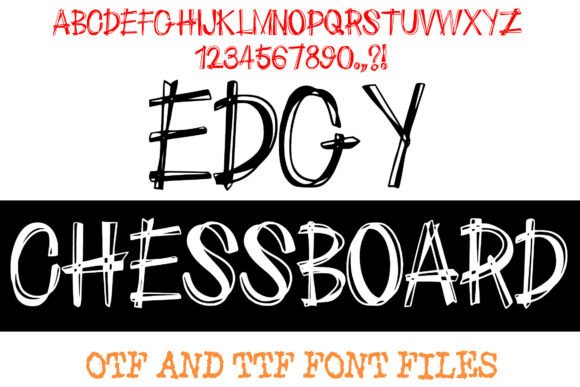
Edgy Chessboard is not just another decorative font; it's a deliberate design choice for those who want to communicate strength, intellect, and a touch of rebellion. At its core, this typeface features a bold, hand-drawn outline that gives each character a dynamic, almost architectural quality. Inside each letter, a grid-like pattern mimics the structure of a chessboard or a technical blueprint, offering a contrast between raw exterior and calculated interior.
This dual-layered approach makes Edgy Chessboard stand out in the crowded world of display fonts. Unlike many stylized fonts that prioritize form over function, Edgy Chessboard maintains a balance between visual intrigue and legibility. Its design encourages viewers to look closer, not just read quickly, making it especially effective in contexts where typography is meant to be experienced rather than simply consumed.
How Edgy Chessboard Compares to Other Display Fonts
When compared to more conventional display fonts, Edgy Chessboard offers a unique blend of structure and unpredictability. Many modern fonts lean heavily into minimalism or sleek digital aesthetics. In contrast, Edgy Chessboard embraces a tactile, almost industrial feel. It’s not designed for subtlety — it’s meant to command attention.
For example, in the realm of urban or streetwear branding, many designers opt for graffiti-style fonts or stencil-based designs. While those have their place, Edgy Chessboard introduces a more cerebral edge — it suggests strategy, intellect, and precision rather than just raw energy. Compared to blueprint or engineering fonts, it’s less rigid and more expressive, allowing for creative flexibility without losing its graphic impact.
Strengths and Limitations of Edgy Chessboard
One of the font’s most compelling strengths lies in its ability to convey a layered message. The outer outline gives a sense of boldness, while the inner grid pattern suggests thoughtfulness and planning. This duality makes it particularly effective in branding for intellectual games, escape rooms, or tech-related creative projects where the visual language needs to suggest both challenge and strategy.
However, like any highly stylized font, Edgy Chessboard is not a one-size-fits-all solution. Its intricate internal structure can become overwhelming in longer text blocks or in applications where clarity and speed of reading are essential. It’s best reserved for headlines, logos, or design accents rather than body text. Additionally, because of its strong visual identity, it may not be suitable for brands or projects that aim for a more understated or minimalist aesthetic.
Best Use Cases for Edgy Chessboard
- Game and Puzzle Branding: Whether for a board game, escape room, or puzzle app, Edgy Chessboard reinforces the idea of strategy and intellectual engagement.
- Urban Fashion and Streetwear: Its bold, graphic nature makes it a strong fit for clothing lines or accessories that want to project a sense of rebellious intelligence.
- Tech and Innovation Graphics: In tech branding or digital art, the font can bridge the gap between human creativity and structured logic.
- Comic Book Titles and Graphic Novels: The font’s internal grid and sharp edges lend themselves well to dramatic titles and edgy storytelling.
- Art and Protest Projects: For artists or activists looking to make a visual statement, Edgy Chessboard offers a balance between chaos and control.
Alternatives and When to Consider Them
While Edgy Chessboard offers a distinctive visual language, it’s not always the best fit. For projects that require broader typographic versatility, more neutral aesthetics, or extensive body text usage, alternatives such as stencil fonts, geometric sans-serifs, or even minimalist script fonts may be more appropriate.
If the goal is to evoke a sense of urgency or raw energy without the intellectual undertones, designers might consider graffiti-inspired fonts or distressed typefaces. On the other hand, if the project leans more toward clean technical design — such as in engineering or scientific communications — a simpler blueprint-style font without the internal grid might serve better.
For those seeking a balance between structure and creativity but wanting a more subtle approach, hybrid fonts that combine geometric shapes with softer outlines can offer a middle ground without the visual intensity of Edgy Chessboard.
Making the Right Choice for Your Project
Selecting a font is more than a stylistic decision — it’s a strategic move that affects how your message is received. Edgy Chessboard is ideal when you want to project strength, intellect, and a touch of rebellion without sacrificing visual clarity. It’s especially effective in design contexts where typography plays a central role in storytelling or brand identity.
However, it’s important to consider the broader design ecosystem. If your project includes multiple typographic elements or requires a more subdued tone, it may be worth exploring alternatives that offer a similar visual language with less intensity. Always test the font in context — view it at different sizes, against various backgrounds, and in different formats to ensure it delivers the intended impact.
In the end, Edgy Chessboard is more than a font; it’s a design strategy. Whether you're crafting a game logo, designing a tech poster, or creating a statement t-shirt, this typeface offers a compelling way to stand out — not just visually, but conceptually.