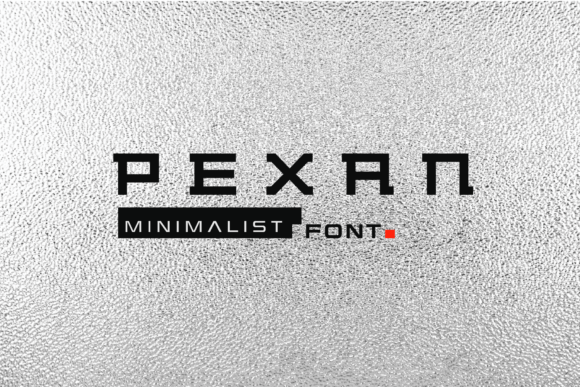
Pexan: The Bold Typography Choice for Modern Design Precision
Typography has long been a cornerstone of visual communication, but in today’s fast-paced digital and print environments, clarity and impact are more important than ever. Pexan rises to meet this demand with its distinctive geometric structure, bold presence, and minimalist appeal. Designed for creators who value precision and visual strength, Pexan is more than a font—it’s a design statement.
Understanding Pexan’s Design Language
At its core, Pexan is built on a strict geometric grid, giving it a structured and balanced appearance. Each character is crafted with sharp corners and a consistent rhythm, lending the font an industrial edge that’s both modern and timeless. The square-cut forms are not just aesthetic choices—they serve a functional purpose by enhancing legibility and commanding attention, especially in headline settings.
What sets Pexan apart is its ability to communicate strength without sacrificing elegance. The subtle futuristic undertones in its design allow it to blend seamlessly into both traditional and cutting-edge visual contexts. Whether used in print or on screen, Pexan maintains its clarity and presence, making it a versatile tool for designers across disciplines.
Why Minimalism in Typography Matters Today
As design trends shift toward simplicity and clarity, minimalism has become more than a stylistic choice—it’s a response to user behavior and technological evolution. Audiences today are inundated with information, and the need for immediate comprehension has never been higher. In this context, Pexan’s bold, uncluttered form becomes a strategic asset.
Modern branding, editorial design, and digital interfaces increasingly rely on typography that can convey messages efficiently. Pexan’s blocky forms and tight mechanics ensure that text doesn’t just look good—it performs well. This is especially important in fast-scrolling digital environments where a user’s attention span is measured in seconds.
Pexan in Real-World Applications
Designers are increasingly turning to Pexan for applications where visual impact is key. Here are a few practical examples of how it’s being used today:
- Brand Identity: Pexan’s strong visual character makes it ideal for logos and brand marks that need to stand out. Its structured appearance conveys professionalism and innovation.
- Editorial Headlines: Whether in print magazines or digital news platforms, Pexan’s clarity and boldness ensure that headlines capture attention without overwhelming the reader.
- Fashion Visuals: In the fashion industry, where aesthetics are paramount, Pexan adds a contemporary edge to lookbooks, campaign posters, and packaging.
- Tech Interfaces: Modern tech brands often use minimalist fonts to reflect simplicity and efficiency. Pexan’s futuristic undertones align well with this trend, especially in UI/UX design.
- Packaging Design: From product labels to retail displays, Pexan’s structured look helps brands communicate clarity and confidence.
The Evolution of Blocky Typography
Typography has evolved significantly over the past few decades, especially with the rise of digital design tools and the increasing importance of responsive layouts. Blocky, geometric fonts like Pexan have gained traction as designers seek typefaces that are both functional and visually striking.
In the early days of digital typography, many fonts were adaptations of classic serif and sans-serif styles. However, as screen resolutions improved and design priorities shifted toward user experience, designers began experimenting with more structured, geometric forms. These fonts offered better legibility at smaller sizes and a more modern aesthetic that resonated with younger audiences.
Pexan fits squarely into this evolution. Its design reflects a growing preference for fonts that are not only legible but also expressive. As digital design continues to blur the lines between print and screen, fonts like Pexan offer a cohesive visual language that works across platforms.
Choosing the Right Context for Pexan
While Pexan is a powerful typeface, it’s most effective when used strategically. Given its bold and structured appearance, it’s best suited for short bursts of text such as headlines, titles, and captions. Using it in body copy can be visually overwhelming, especially in long-form content.
Designers should also consider pairing Pexan with complementary fonts that offer contrast. For example, pairing it with a clean sans-serif or a soft serif can create visual balance while maintaining a modern edge. This approach allows Pexan to shine without dominating the entire composition.
Color and spacing also play a crucial role in maximizing Pexan’s impact. Because of its blocky nature, it works particularly well against minimalist backgrounds. White space becomes a design ally, allowing the font to breathe and stand out.
How Pexan Meets Modern Creative Needs
Creatives today are under pressure to deliver work that is both visually compelling and functionally effective. Pexan responds to this dual demand by offering a font that is as practical as it is expressive. Its structured design supports readability, while its bold aesthetic supports memorability.
For entrepreneurs and marketers, Pexan offers a way to differentiate brand assets in a crowded marketplace. For bloggers and educators, it provides a way to highlight key messages with clarity. And for designers and developers, it offers a reliable tool that works across a variety of projects and platforms.
Moreover, as remote collaboration becomes the norm, having a font that communicates clearly across different devices and screen sizes is essential. Pexan’s design ensures that it remains legible and impactful regardless of the medium.
Looking Ahead: The Future of Typography and Pexan’s Place in It
As design continues to evolve, so too will typography. The rise of AI-driven design tools, variable fonts, and adaptive layouts means that fonts will need to be more flexible and responsive than ever. Pexan, with its strong geometric foundation, is well-positioned to adapt to these changes.
Designers are already exploring how to integrate Pexan into animated interfaces, augmented reality experiences, and even voice-activated devices. While typography may not always be the focus in these emerging technologies, its role in guiding user interaction remains critical.
What’s clear is that typography will continue to be a key component of visual communication. Fonts like Pexan, which combine clarity, structure, and style, will play an essential role in shaping how messages are delivered and received in the years to come.