Al Mughir: A Bold Typeface with Cultural Depth and Modern Precision
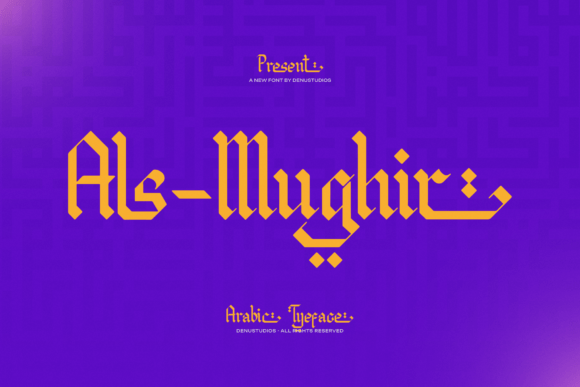
Al Mughir is more than just a font—it’s a visual statement. Designed to bridge the elegance of traditional Arabic calligraphy with the clean strength of modern geometric design, Al Mughir stands out in any typographic application. Whether you're crafting a luxury brand identity, designing an album cover, or creating impactful headlines, this typeface delivers both presence and heritage.
Why Al Mughir Captures Attention
What sets Al Mughir apart is its unique structure. The angular forms and chiseled lines echo the strength of ancient scripts, while the blocky, ribbon-like shapes give it a contemporary edge. It’s a font that commands attention without shouting. Designers are increasingly drawn to Al Mughir for its versatility in high-impact visual projects, especially those that aim to reflect cultural richness or regal sophistication.
Common Missteps When Choosing or Using Al Mughir
Despite its visual appeal, many users encounter issues when integrating Al Mughir into their work. These problems often stem from misunderstandings about the font’s purpose, capabilities, and best practices for use.
Mistake 1: Using Al Mughir for Long-Form Text
One of the most frequent errors is applying Al Mughir to body text or long paragraphs. Its bold, angular structure is ideal for headlines and short text blocks but can strain readability in extended content. This can lead to poor user experience, especially in digital formats or print materials where legibility is key.
Better approach: Reserve Al Mughir for titles, logos, or accent text. Pair it with a simpler, more legible sans-serif or serif font for body copy to maintain visual hierarchy and readability.
Mistake 2: Overlooking PUA Encoding Benefits
Al Mughir includes PUA (Private Use Area) encoded characters, which allow access to special glyphs and decorative elements without requiring additional software or plugins. However, many designers are unaware of how to utilize these features or fail to check if their design tools support PUA encoding.
Better approach: Before using Al Mughir, verify that your design software (like Adobe Illustrator or Figma) supports PUA-encoded fonts. This ensures you can fully access all stylistic elements and alternate characters without extra setup.
Mistake 3: Ignoring Licensing Details
Another common oversight is not checking the licensing terms before using Al Mughir in commercial projects. Some versions of the font may restrict usage in branding, web design, or product packaging unless a proper license is purchased.
Better approach: Always review the license agreement provided by the font vendor. If you're using Al Mughir for a client project or a commercial product, ensure the license covers the intended scope of use to avoid legal complications.
Mistake 4: Assuming It Works for Every Design Theme
While Al Mughir is versatile, it's not a one-size-fits-all solution. Some designers mistakenly apply it to projects that require a softer, minimalist, or more casual aesthetic. This mismatch can disrupt the overall tone and professionalism of the design.
Better approach: Consider the mood and message of your project. If your brand or design calls for elegance, strength, or cultural authenticity, Al Mughir is a strong fit. For more casual or modern minimal styles, explore complementary fonts that better align with the tone.
What to Check Before Using Al Mughir
- Read the documentation: Make sure you understand what features are included, such as ligatures, alternates, and multilingual support.
- Test the font in context: Preview Al Mughir in your actual design layout to see how it interacts with other visual elements.
- Verify software compatibility: Confirm that your design tools support the font format and PUA encoding if you plan to use decorative characters.
- Understand licensing limits: Know whether the license allows for web use, print, or commercial application, and whether attribution is required.
Getting the Most Out of Al Mughir
When used correctly, Al Mughir elevates your design with a sense of majesty and cultural depth. To maximize its impact:
- Pair it strategically: Combine Al Mughir with simpler fonts to maintain visual balance. Sans-serif fonts like Montserrat or Open Sans work well for contrast.
- Use it for emphasis: Apply Al Mughir to headlines, logos, or banners where you want to draw attention and convey strength.
- Explore its character set: Take advantage of PUA-encoded extras to add unique decorative touches that enhance your design’s personality.
Final Thoughts
Al Mughir is a powerful typeface that blends tradition with modernity in a way few fonts can. However, like any design tool, its effectiveness depends on how well you understand and apply it. By avoiding common mistakes and making informed choices, you can harness its full potential to create striking, meaningful, and professional designs.
Whether you're a seasoned designer or just starting out, taking the time to learn about Al Mughir's strengths and limitations will help you make smarter, more impactful design decisions. So next time you're looking for a bold, culturally rich typeface, consider Al Mughir—but use it wisely.