Hacker School: A Unique Techno-Inspired Display Font for Modern Design Needs
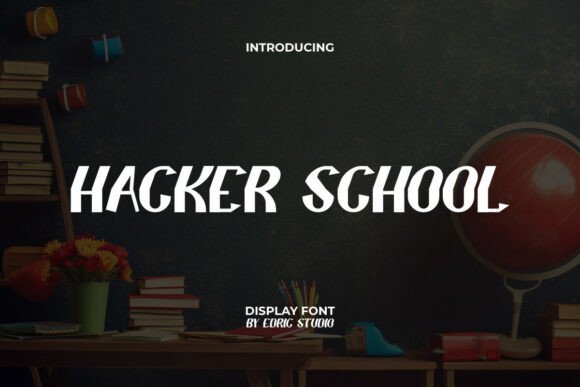
Hacker School is not just a name associated with coding academies or tech education; it's also a distinctive display font that draws inspiration from hacker culture, digital code, and cyberpunk aesthetics. Designed to stand out, Hacker School Font merges organic elements with strong geometric shapes, offering a futuristic and bold visual language. This font is particularly appealing to designers looking to inject personality and vibrancy into their work, especially when the goal is to create a strong visual impact.
What Makes Hacker School Font Unique?
At first glance, Hacker School Font captures attention with its sharp edges, bent corners, and experimental letterforms. It's a typeface that doesn't conform to traditional typographic rules, instead opting for a more artistic and unconventional approach. The design language of Hacker School is rooted in the aesthetics of digital innovation, making it ideal for projects that want to evoke a sense of tech-driven energy and forward-thinking creativity.
Unlike more conventional display fonts, Hacker School Font balances futuristic design with readability. Its characters are designed with clarity in mind, even when used in smaller sizes or complex layouts. This makes it versatile for a variety of applications, from branding and packaging to digital interfaces and promotional materials.
Comparing Hacker School with Similar Display Fonts
When evaluating display fonts with a techno or cyberpunk influence, Hacker School stands out for its unique blend of geometric precision and organic flow. Many similar fonts lean heavily into either the mechanical or the artistic side, sometimes at the expense of usability. Hacker School strikes a middle ground, offering both visual interest and functional legibility.
- Geometric Sans-Serif Fonts: These are often clean and modern but can feel sterile or overused. Hacker School adds a layer of character without sacrificing structure.
- Hand-Drawn or Organic Fonts: While expressive, they may not convey the same level of technical precision. Hacker School bridges that gap with stylized edges and intentional imperfections.
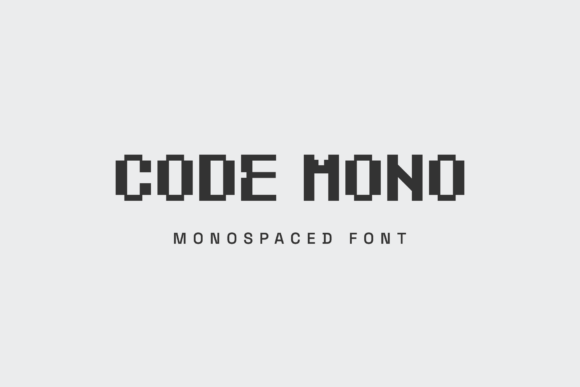
- Monospaced or Code-Inspired Fonts: These are typically associated with programming environments. Hacker School adapts that aesthetic for broader design use, making it more versatile for branding and visual media.
Strengths and Tradeoffs of Hacker School Font
Hacker School is particularly strong in scenarios where a bold, modern aesthetic is required. It excels in headlines, logos, and other high-impact design elements where visual identity is key. Its futuristic appeal makes it a go-to option for tech-related branding, gaming, or any project aiming to project innovation and edge.
However, like any display font, Hacker School has its limitations. It's not intended for long-form body text or situations where readability across all sizes is critical. Its stylistic elements, while visually engaging, may not suit more traditional or formal design contexts. Designers should also be mindful of how the font interacts with other elements in a layout—its strong presence can easily dominate if not balanced properly.
Best Fit Situations for Hacker School
There are several design scenarios where Hacker School Font can be the ideal choice:
- Branding for Tech Startups: The font’s futuristic vibe aligns well with the innovative spirit of emerging tech companies.
- Event Posters and Promotions: Whether for a tech conference or a music festival with a digital theme, Hacker School adds a dynamic edge.
- App and Game Interfaces: Its structured yet artistic design makes it suitable for UI elements where visual distinction matters.
- Merchandise and Packaging: From sportswear to limited-edition product packaging, this font can elevate the perceived value and uniqueness.
In these contexts, Hacker School Font not only enhances visual appeal but also communicates a clear thematic message—whether that's innovation, rebellion, or futurism.
When to Consider Alternatives
Despite its strengths, there are situations where Hacker School may not be the best fit. If a project requires a more neutral or universally accessible typeface, or if the design needs to maintain a classic or minimalist tone, other fonts may be more appropriate. Additionally, if the intended use involves a lot of body text or multi-lingual support, designers should explore alternatives that offer broader character sets and enhanced readability.
For instance, in editorial design or academic publishing, where legibility and tradition often take precedence, a more conventional sans-serif or serif font would be a better choice. Similarly, in multilingual branding materials, a font with extended language support would outperform Hacker School, which may be optimized for specific scripts or stylized use cases.
Practical Comparisons and Real-World Use Cases
Consider a designer working on a rebrand for a coding bootcamp. They might compare Hacker School with a more structured, sans-serif display font like Bebas Neue. While Bebas Neue offers clean, uppercase-heavy text that's highly legible, Hacker School provides a more distinctive and thematic presence—perfect for capturing the essence of a tech-forward learning environment.
In another scenario, a game developer designing the title screen for a sci-fi indie game might choose Hacker School over a monospaced pixel font. While the pixel font would evoke a retro digital feel, Hacker School brings a modern, stylized edge that aligns with contemporary sci-fi aesthetics.
These comparisons highlight how context and design intent play a crucial role in font selection. Hacker School isn’t a one-size-fits-all solution, but for the right project, it can be a powerful visual tool.
Making an Informed Choice
Choosing the right display font is about more than aesthetics—it's about aligning the typographic choice with the project’s goals, audience, and overall design language. Hacker School Font offers a compelling blend of futuristic design and artistic flair, making it a standout option for designers who want to push boundaries.
However, it's essential to test the font in various contexts before finalizing its use. Mocking up headlines, logos, and interface elements with Hacker School can help determine whether its visual strength enhances or overshadows the design. Pairing it with complementary fonts for body text or secondary elements can also help maintain balance and readability.
In the end, Hacker School is best suited for those who want to make a statement—whether through branding, digital design, or print media. It's a font for creators who aren't afraid to embrace boldness and innovation, and who understand that typography is as much about storytelling as it is about style.