Code Mono: A Pixel-Inspired Font for Modern Tech Design and Branding
What Makes Code Mono Stand Out
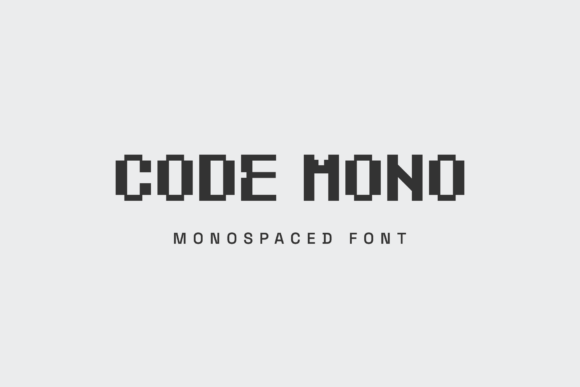
Code Mono is a display monospaced font inspired by pixel art and retro computing. Its blocky, chunky design gives it a sharp, techy appearance that feels both nostalgic and futuristic. Each character is built on a grid-like structure, creating a uniform width that enhances readability while maintaining a strong visual identity. This pixelated aesthetic makes Code Mono ideal for projects that need a clean, industrial, and digital edge.
Perfect for Tech-Themed Branding and Logos
Designers looking to build a strong brand identity in the tech space often turn to Code Mono for its unique ability to convey both professionalism and a playful nod to the past. Its blocky shapes and consistent spacing make it perfect for creating wordmarks and logomarks that stand out without feeling cluttered. Whether you're launching a startup focused on AI or a retro-inspired gaming channel, Code Mono adds a distinctive flavor that helps your brand pop.
For example, a cybersecurity firm might use Code Mono in its logo to evoke a sense of digital precision and coded mystery. Meanwhile, a podcast about vintage video games could use the font to reinforce a retro aesthetic while keeping the branding modern and readable.
Display and Poster Design with a Digital Edge
Code Mono shines in display design, especially when used for posters, headers, and banners. Its pixelated look works especially well in tech-themed events, coding bootcamps, or sci-fi movie promotions. Because of its strong geometric structure, it holds up well even at large sizes, ensuring legibility without losing style.
Imagine a promotional poster for a hackathon. Using Code Mono as the main header gives the event an instant digital identity. The font’s sharp edges and uniformity help guide the viewer’s eye, making event details easy to digest while reinforcing a high-tech atmosphere.
Ideally Suited for Coding Interfaces and Development Tools
While Code Mono is primarily a display font, its monospaced nature makes it a surprisingly functional option for coding environments. Developers often prefer monospaced fonts because they align characters in neat vertical columns, which improves readability and reduces eye strain during long coding sessions.
Although Code Mono isn’t optimized for extended body text in code editors, it works well for UI elements like buttons, labels, and panel headers. Some developers use it in documentation sites or developer tools where a strong visual identity is as important as functionality. For instance, a low-code platform might use Code Mono in its interface to give users a sense of working with real code, even if they're not writing it manually.
Game Design and Pixel Art Integration
The gaming industry has long embraced pixel art for both retro and indie games. Code Mono fits naturally into this world, offering a font that complements pixel-based visuals without feeling out of place. Game developers often use Code Mono for HUD elements, menu screens, and title cards to maintain a consistent aesthetic across the game’s UI.
For example, a retro-style RPG might use Code Mono for its inventory screen and dialogue boxes. The font’s blocky appearance mirrors the pixelated art style, creating a cohesive experience that feels authentic to the game’s design language. Similarly, a modern game with a “hacker terminal” interface could use Code Mono to simulate command-line prompts and system logs.
Data Visualizations and Tech Dashboards
In data-driven fields like analytics, fintech, and AI, visual clarity is crucial. Code Mono’s structured design makes it a strong contender for labeling charts, graphs, and dashboard interfaces. Its consistent width ensures that numbers and labels align neatly, making it easier for users to scan and interpret data quickly.
Consider a real-time analytics dashboard for a SaaS platform. Code Mono can be used for value displays, labels, and even tooltips to maintain a technical and futuristic appearance. The font’s pixel-inspired look also pairs well with dark mode interfaces, which are increasingly popular in tech dashboards for reducing eye strain and enhancing contrast.
Print Design with a Digital Twist
Despite its digital origins, Code Mono translates well into print media, especially when the goal is to evoke a high-tech or cyberpunk aesthetic. Magazines covering tech trends, event brochures for tech conferences, and even product packaging for gadgets can benefit from the font’s bold presence.
A tech magazine cover featuring Code Mono in the headline instantly signals a focus on innovation and digital culture. Similarly, a limited-edition tech product box might use Code Mono for its model name or serial number to reinforce a premium, futuristic feel.
Considerations Before Using Code Mono
While Code Mono offers a unique design and broad versatility, it’s not a one-size-fits-all solution. Here are a few practical considerations to keep in mind before incorporating it into your next project:
- Readability at small sizes: Due to its blocky nature, Code Mono may become less legible when used too small, especially in body text. It’s best reserved for headers, titles, and UI elements where clarity isn’t compromised.
- Context matters: While the pixelated look works well in tech, gaming, and digital branding, it might feel out of place in more traditional industries like finance or healthcare unless used sparingly and intentionally.
- Pairing with other fonts: Code Mono stands out visually, so pairing it with simpler sans-serif or serif fonts can create a balanced design. Avoid combining it with other pixel or monospaced fonts to prevent visual clutter.
- Licensing: Always check the licensing terms before using Code Mono commercially. Some fonts come with restrictions on usage, especially in logo design or web embedding.
Who Benefits Most from Code Mono?
Code Mono appeals to a wide range of users, from independent developers and game designers to brand strategists and UI/UX professionals. Here’s how different audiences can benefit:
- Branding designers: Can use Code Mono to create memorable logomarks that stand out in tech and digital industries.
- UI/UX developers: May incorporate Code Mono into app interfaces where a strong visual identity is needed without sacrificing readability.
- Game creators: Can integrate Code Mono into game menus, HUDs, and title screens for a cohesive pixel-inspired design.
- Print designers: Might use Code Mono in tech-related publications, packaging, or posters to convey a futuristic or industrial tone.
- Data visualization experts: Can apply Code Mono to dashboard labels and chart annotations to maintain a technical and clean look.
Final Thoughts on Code Mono
Code Mono is more than just a pixel font — it's a versatile tool for anyone looking to inject a sharp, techy, and nostalgic feel into their design work. Whether you're building a brand, designing a game, or crafting a data dashboard, Code Mono offers a unique blend of style and function that few other fonts can match. By understanding its strengths and limitations, you can make the most of its retro-inspired design in a way that feels fresh, modern, and purposeful.