Verdura: A Living Touch for Creative Typography
What Makes Verdura Stand Out
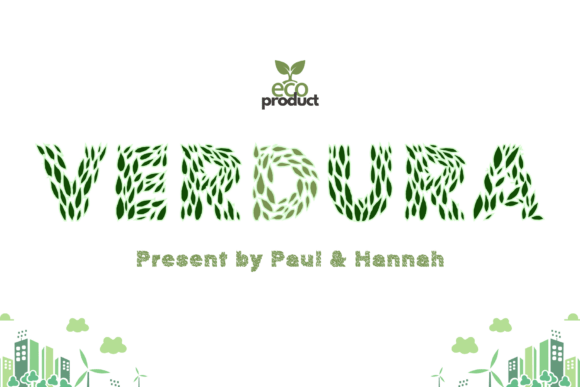
Verdura isn't just another decorative font — it's a visual experience rooted in nature. Each character is shaped by flowing, leaf-like curves that bring a sense of movement and organic beauty to any design. Whether you're working on a branding project or crafting a nature-themed poster, Verdura adds a touch of elegance and life that's hard to replicate with more traditional typefaces.
Where Verdura Shines Best
Designers who work with eco-conscious themes often struggle to find fonts that feel authentic and not overly stylized. Verdura bridges that gap. It's especially effective in botanical branding, where the visual language of nature is key. Think of product packaging for organic skincare lines, artisan teas, or sustainable home goods — Verdura's soft, leafy forms blend seamlessly into these environments.
Event planners and invitation designers also find Verdura to be a go-to choice. For weddings with a garden or outdoor theme, using Verdura for the couple's names or event details adds a soft, romantic feel. It works equally well in digital and print formats, making it versatile for save-the-dates, thank-you cards, and custom illustrations shared on social media.
Industries That Benefit Most from Verdura
Several industries naturally align with Verdura’s organic aesthetic:
- Eco-friendly product brands – From reusable packaging to natural supplements, Verdura supports a clean, green image.
- Wellness and holistic health – Yoga studios, meditation apps, and herbal remedy companies use Verdura to convey calm and natural balance.
- Floral and landscape design – These visual fields thrive on Verdura’s leafy motifs, which echo the beauty of the work itself.
- Independent publishers and artists – Book covers, art show posters, and creative portfolios gain a unique edge with Verdura.
How Different Users Can Make Verdura Their Own
Graphic designers may use Verdura as a headline font in magazine layouts or branding materials. Its flowing lines stand out without overwhelming the page. Meanwhile, web designers might incorporate Verdura in logo headers or hero sections of nature-themed websites, using it to anchor the visual identity.
For small business owners, especially those in niche markets like herbal teas or handmade soaps, Verdura offers a way to visually communicate their values. It’s not just about looking good — it’s about telling a story through typography that aligns with their brand message.
Even educators and content creators in the sustainability space have found Verdura useful. It works well in infographics, social media templates, and course materials where a calm, natural aesthetic helps the audience feel more connected to the subject matter.
Real-World Examples of Verdura in Action
Imagine a boutique coffee brand launching a new line of single-origin beans grown using regenerative farming methods. Using Verdura on the packaging labels gives the brand a handcrafted, earthy feel that appeals to conscious consumers. Paired with a clean sans-serif for body text, it creates a balanced, readable, and emotionally resonant design.
Another example is a local botanical garden launching a summer event series. The promotional poster uses Verdura for the title, mimicking the shape of vines wrapping around the text. This subtle integration of nature into typography helps the design feel more immersive and visually engaging.
Things to Consider Before Using Verdura
While Verdura is beautiful, it’s not a one-size-fits-all solution. Because of its decorative nature, it’s best used in display contexts rather than long-form body text. It can become hard to read at smaller sizes or when used in all caps, so designers should be mindful of legibility.
Also, Verdura’s organic style may not fit every brand personality. A tech startup focused on AI or cybersecurity would likely find it too whimsical and out of sync with their messaging. It works best when the tone of the project is warm, natural, and expressive.
Pairing Verdura with Other Fonts
One of the keys to using Verdura effectively is pairing it with complementary fonts. Since it's a decorative display font, it shines brightest when contrasted with something clean and structured. Consider these pairings:
- With a minimalist sans-serif – Like Montserrat or Open Sans for headlines and body copy.
- With a serif font – For a more traditional or elegant look, try pairing with Playfair Display.
- With a handwritten font – For a more personal or creative feel, especially in invitations or greeting cards.
When Verdura Falls Short
Despite its many strengths, Verdura isn’t perfect for every application. In high-contrast environments like digital ads or mobile UIs, its intricate details can get lost or pixelated. It's also not ideal for projects that require a modern, minimalist, or tech-forward aesthetic.
Additionally, Verdura may not be the best choice for international audiences if it lacks support for certain character sets. Always check the font’s language coverage before using it in multilingual projects.
Final Thoughts: Verdura as a Design Companion
In the right context, Verdura is more than just a font — it's a storytelling tool. It brings a sense of life and movement to static designs, helping brands and creatives connect more deeply with their audiences. Whether you're designing a logo for a wellness retreat or crafting a label for a line of organic candles, Verdura offers a unique way to infuse nature into your typography.
If you're looking for a font that feels alive, expressive, and deeply connected to the natural world, Verdura is worth exploring. Just remember to use it thoughtfully, pair it wisely, and always consider the message you're trying to convey through your design.