Jolly Blump: A Cheerful Typeface That Delights Without Overpromising
When you're looking to inject some lighthearted energy into your design work, Jolly Blump stands out as a hand-drawn typeface that's both expressive and easy to love. Its bold, bubbly letterforms and slightly irregular bounce make it ideal for projects that need a splash of fun. But while its charm is undeniable, it's important to understand how to use it effectively—and avoid some common missteps that can dull its impact.
Why Jolly Blump Appeals to Designers and Brands
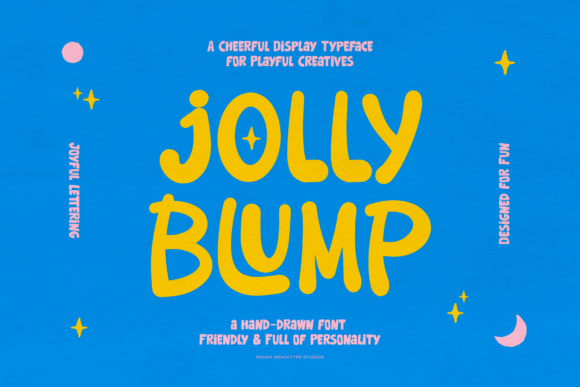
At a glance, Jolly Blump captures the essence of joy. Its rounded, chunky shapes give it a plump, playful look that feels handmade and approachable. Whether you're designing a kids' book, a birthday invitation, or a social media post for a lifestyle brand, this typeface brings warmth and personality.
It’s especially popular among creatives who want to communicate positivity without overcomplicating their visual message. The font's thick strokes ensure legibility, even at smaller sizes, and its PUA encoding makes special characters and decorative elements accessible without requiring advanced design software.
Common Mistakes When Using Jolly Blump (And How to Avoid Them)
Despite its friendly appearance, Jolly Blump isn't a one-size-fits-all solution. Like any design asset, it requires thoughtful application. Here are some of the most frequent oversights designers and business owners make:
1. Using It for Inappropriate Contexts
One of the biggest misuses of Jolly Blump is applying it in overly formal or serious settings. While it's perfect for playful branding or children's products, using it for legal documents, corporate reports, or luxury branding can send mixed signals.
Better approach: Save Jolly Blump for contexts where a carefree, upbeat tone is appropriate—like event flyers, children’s merchandise, or casual social media content.
2. Overloading Text with Too Many Decorative Elements
PUA encoding makes it easy to access alternate characters and flourishes, but more isn’t always better. Overusing these extras can make your design feel cluttered or amateurish.
Better approach: Use decorative elements sparingly. Choose one or two standout glyphs per line or heading to maintain visual clarity and let the font’s personality shine through without overwhelming the viewer.
3. Ignoring Readability in Long Copy
Jolly Blump shines in headlines, logos, and short bursts of text. However, using it for long paragraphs or body copy can strain the reader’s eyes due to its irregular shapes and lack of traditional kerning.
Better approach: Pair Jolly Blump with a clean, sans-serif font for body text. This contrast keeps your design lively while ensuring readability and balance.
4. Assuming It’s Free for Commercial Use
Some designers mistakenly assume that because Jolly Blump is widely shared or available on certain platforms, it’s automatically free to use. Not all versions are created equal, and ignoring licensing terms can lead to legal issues down the line.
Better approach: Always check the licensing agreement before using Jolly Blump in commercial projects. Purchase a proper license if required, and keep a record of permissions for your records.
What to Check Before Downloading or Buying Jolly Blump
Before you commit to using Jolly Blump in your project, consider these practical checks to ensure you’re getting the right version and making the best design decision:
- Font Format: Ensure the file format is compatible with your design tools (e.g., TTF, OTF, WOFF).
- Character Set: Verify that the font includes the full alphabet, numbers, punctuation, and any alternate characters or ligatures you need.
- Licensing Clarity: Confirm whether the license allows for personal or commercial use, and if it covers web or print applications.
- Vendor Reputation: Download from trusted sources to avoid malware or incomplete files.
Pairing Jolly Blump for Maximum Impact
Designers often overlook the importance of font pairing. Jolly Blump works best when balanced with a simpler, more structured typeface. For example:
- Pair with a minimalist sans-serif like Montserrat or Open Sans for body text.
- Use a script font sparingly for accents or subheadings to enhance the playful tone.
- Avoid pairing with other bold or irregular fonts that compete for attention.
Final Thoughts: Use Jolly Blump with Purpose
Jolly Blump is more than just a whimsical font—it's a tool that, when used thoughtfully, can elevate your design with warmth and personality. But like any creative choice, it works best when matched to the right context, audience, and purpose.
Don’t be swayed by hype or trendiness. Instead, evaluate whether Jolly Blump truly supports your message and enhances the user experience. With a little care and awareness, you’ll ensure your designs are not only cheerful but also clear, professional, and effective.