Dream Theatrion: Where Theatrical Elegance Meets Modern Typography
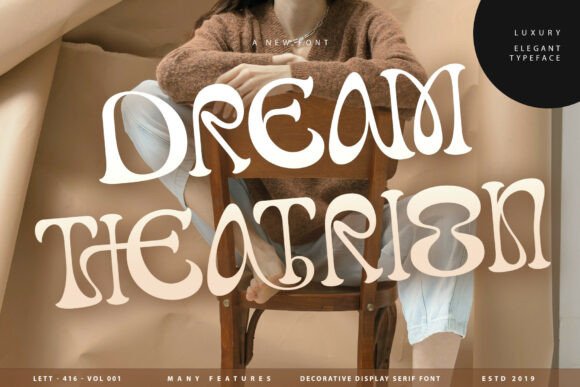
In the evolving landscape of visual communication, typography plays a pivotal role in shaping perception and evoking emotion. Among the rising stars in this space is Dream Theatrion, a luxurious display serif that merges the fluidity of 60s and 70s design with the sleek sophistication of contemporary aesthetics. Unlike generic decorative fonts, Dream Theatrion stands out with its exaggerated curves, sweeping strokes, and high-contrast structure—each letterform meticulously crafted to convey a sense of soft motion and refined opulence.
A Font That Speaks to the Senses
Dream Theatrion is more than a typeface; it's a design experience. Its 'melted' curves and large apertures give it a unique visual rhythm that captures attention without overwhelming the viewer. This makes it particularly effective in environments where visual impact and brand identity are paramount. Whether used in a magazine masthead, a luxury beauty label, or a high-fashion event poster, Dream Theatrion brings a theatrical flair that feels both nostalgic and fresh.
Meeting the Demands of Modern Design Workflows
As creative professionals adapt to faster, more collaborative workflows, the need for versatile, high-impact typefaces has never been greater. Dream Theatrion responds to this demand by offering both Regular and Italic styles, complemented by full PUA encoding. This feature allows designers seamless access to alternate characters and ligatures, opening up a world of typographic customization. In a time when brands are seeking distinctiveness and visual storytelling, such flexibility is invaluable.
The Evolution of Decorative Typography
Display serif fonts have long been associated with elegance and prestige. However, their application has evolved significantly. Where once they were reserved for print media and formal invitations, today’s designers are integrating them into digital spaces, branding systems, and even interactive platforms. Dream Theatrion exemplifies this shift. It bridges the gap between vintage charm and modern utility, making it a go-to for creatives who want to evoke sophistication without sacrificing relevance.
Why Retro-Inspired Design is Resonating Now
The resurgence of 60s and 70s aesthetics in fashion, interiors, and graphic design is no coincidence. In a world increasingly driven by minimalism and digital sterility, audiences are craving warmth, personality, and tactile richness. Dream Theatrion taps into this emotional response by channeling the groovy, expressive spirit of a bygone era while maintaining a crisp, high-end finish. It’s a visual nod to the past that still feels perfectly at home in today’s design landscape.
Practical Applications for Designers and Brands
For brand strategists and visual designers, choosing the right font can influence how a product or message is perceived. Dream Theatrion excels in applications where elegance and memorability are key. Consider its use in:
- Luxury packaging – Its fluid lines and dramatic contrast elevate product labels and cosmetic branding.
- Editorial design – From magazine covers to editorial headers, it adds a touch of editorial flair without compromising readability.
- Event promotion – Theatrical and bold, it’s ideal for concert posters, film festivals, and fashion shows.
- Logos and brand identities – When used thoughtfully, it can become the cornerstone of a distinctive visual brand.
Designing with Intention: When and How to Use Dream Theatrion
While Dream Theatrion is undeniably eye-catching, it’s best used with intention. Because of its ornate nature, it shines brightest in short-form applications like headlines, titles, and logotypes. Using it in body text or small sizes may compromise legibility. Designers should also consider pairing it with simpler, more neutral typefaces to maintain visual balance and hierarchy.
For example, a beauty brand launching a limited-edition product line might use Dream Theatrion for its packaging typography, complemented by a clean sans-serif for ingredient descriptions and usage instructions. Similarly, a lifestyle magazine might incorporate the font into its cover title, reinforcing a sense of curated elegance and editorial depth.
Technical Advantages for Creative Professionals
From a technical standpoint, Dream Theatrion is designed with modern design tools in mind. Its PUA encoding ensures compatibility across platforms and design software, allowing for easy integration into both print and digital workflows. Whether you're working in Adobe Illustrator, Figma, or Canva, accessing alternate characters and ligatures is a seamless process—enhancing both efficiency and creative freedom.
Typography as a Strategic Design Decision
In today’s competitive creative environment, typography isn’t just about aesthetics—it’s a strategic decision that affects brand perception, audience engagement, and message clarity. Fonts like Dream Theatrion offer more than visual appeal; they communicate tone, intent, and identity. For businesses and creators aiming to differentiate themselves, selecting a typeface that aligns with their brand values is essential.
Whether you're a freelance designer crafting a portfolio piece or a brand strategist repositioning a luxury label, Dream Theatrion offers a compelling blend of heritage and modernity. It’s a font that doesn’t just look good—it tells a story, evokes a mood, and invites the viewer to linger a little longer.
Looking Ahead: The Future of Theatrical Typography
As design trends continue to oscillate between minimalism and maximalism, there’s a growing appreciation for typefaces that strike a balance between the two. Dream Theatrion represents a new wave of decorative fonts that are both expressive and functional. As AI tools and generative design become more prevalent, the importance of human-crafted, emotionally resonant typography will only increase. Fonts like Dream Theatrion will play a key role in ensuring that design remains personal, intentional, and impactful.